
Between Hope and Frustration
Every COP, I feel a familiar surge of optimism. What if this year is different — what if countries finally act with the urgency and unity our planet demands? Then the negotiations begin, the press releases roll out… and somehow, when it's over, I'm left wondering whether anything real actually changed. It's a bittersweet cycle: hope raised, disappointment almost inevitable.
Are COP Summits Just Diplomatic Theater?
On paper, COPs are the world's most important climate forums. They bring together every country — large and small, rich and poor — to chart our collective future. But too often, the bold declarations and roadmaps that dominate the headlines fail to translate into measurable, on-the-ground change.
We've seen this before. The Net-Zero Banking Alliance (NZBA), for example, was heralded as a climate breakthrough — yet over time, its pledges have weakened as reality sets in. Ambitious words lose their power when the cost of delivery collides with economic and political inertia.
Why "Walking the Walk" Remains So Hard
The COP system relies on consensus, meaning a small group of vocal countries can water down any strong action. That's precisely what happened with the fossil-fuel roadmap at COP30:
- Over 80 countries publicly supported strong fossil-fuel phase-out language, but around the same number of countries opposed it, including major fossil-fuel producers and high-emitting economies.
- According to the Energy Transitions Commission, fossil fuels still account for 72% of global greenhouse gas emissions.
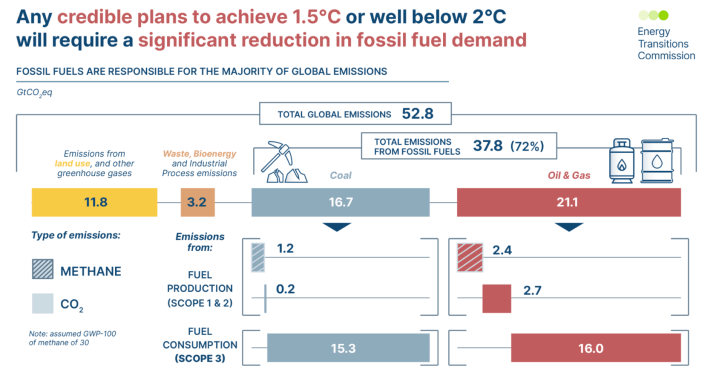
When such a large fraction of emissions comes from a relatively small but powerful bloc, the path to climate ambition faces serious headwinds.
What Would It Take for COP Commitments to Stick?
If COPs are to deliver more than grand promises, here's what has to change:
- Implementation with Consequences
Non-binding targets don't translate into lasting change. We need measurable, time-bound goals, paired with regular reviews and real stakes for inaction. - Reforming Consensus Rules
The one-country "veto" problem demands reform. Maybe certain high-risk decisions should require supermajorities or alternate decision-making structures. - Financing a Just Transition
For many fossil-reliant countries, the fear isn't climate denial, it's financial risk. Developed nations must commit more predictably to climate finance, to support both decarbonization and economic stability. - Strengthening Non-State Climate Action
COPs are essential, but so are investors, cities, companies, and courts. The real shift is already happening outside the UN halls: regulators are moving, judges are ruling, and capital is reallocated. - Building Ambitious Coalitions
Alliances of progressive countries — small islands, climate-vulnerable states, forward-thinking major economies — need to coordinate their negotiating strategies. Unity creates leverage.
When Fossil-Fuel Phase-Out Fails, Where Do We Go From Here?
It's tempting to despair when COPs can't secure binding fossil-fuel exit language. But the global climate fight is far broader than these annual talks:
- Renewable energy is already becoming cheaper than fossil fuels in many regions.
- Legal action is growing: courts are increasingly holding governments and companies accountable.
- Investors are paying attention: stranded-asset risk is real, and many fund managers are rethinking fossil-fuel investments.
- Cities and regions are bold: scaling up zero-emissions infrastructure, independent of national COP commitments.
COPs still have value: they build pressure, clarify political direction, and mobilize global attention. But real change is now being driven by markets, legislation, and local leadership, not just summit declarations.
Hope Isn't Enough — but It Matters
I remain frustrated — COPs feel like a promise unfulfilled, year after year. But I also remain hopeful. Because climate progress isn't a straight line, and COPs are just one arena in a much bigger fight.
We shouldn't wait for perfect global agreements to act. The real transformation starts now, across every level: finance, technology, policy, and civil society. The work of solving the climate crisis is already underway, with or without COPs delivering everything we want, the world is still changing.